Learning how to bet on roulette at an Australian-friendly table starts with reading the layout, not chasing a lucky spin. The wheel spins, the ball clicks, and your chips sit where your read of the table tells them to. I’ve spent years building growth plays in Southeast Asia where luxury hospitality and sharp technology meet, and the same discipline applies here: clear interface, honest localisations, and a table that behaves the way the rules say it should. If a casino’s layout makes the bets hard to read or the currency fiddly, walk on.
Reading the Table Before You Place a Chip
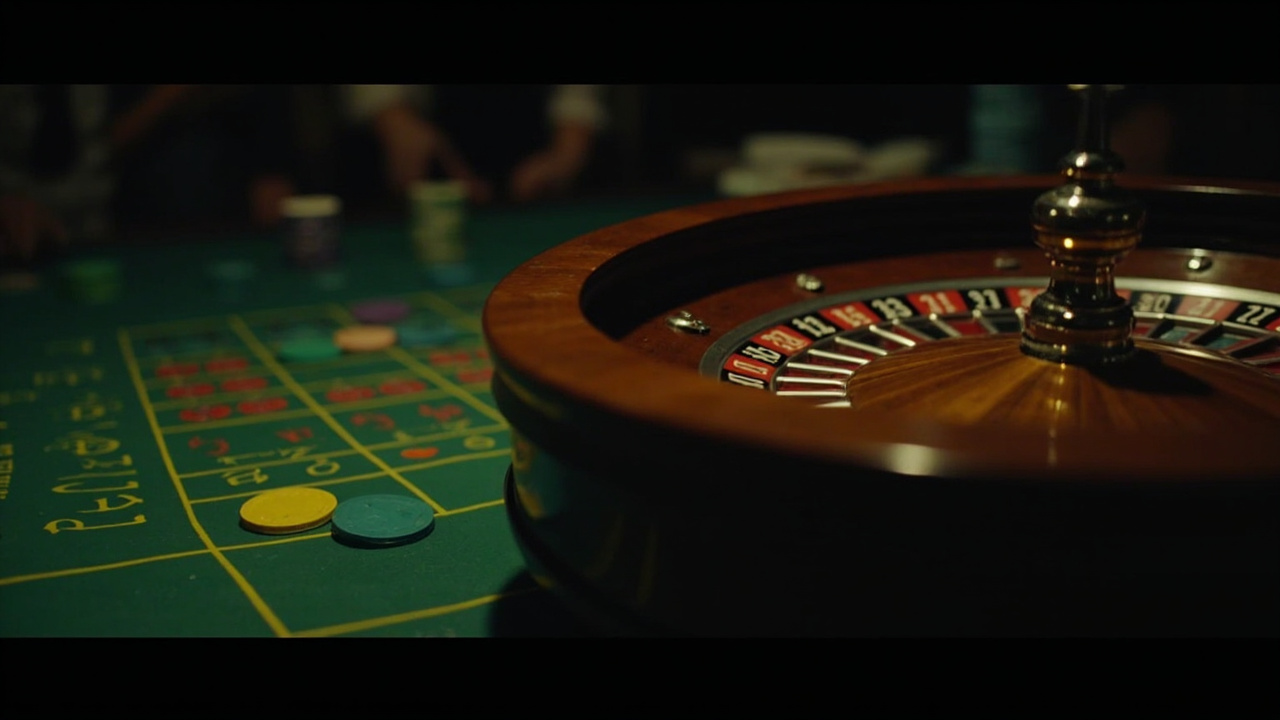
The first thing worth sorting is the wheel type and the house edge it carries. European wheels leave a single zero on the felt, which trims the edge compared with the double-zero American layout, and that difference matters when you’re planning sessions rather than chasing a single hot run. If you want a deeper look at how the two formats compare and which one tends to suit Australian players, our related piece on roulette américaine covers the rules, variants, and the practical choices you’ll face down under. The betting grid itself is straightforward once you slow down: inside bets sit on individual numbers or tight splits, outside bets cover red/black, odd/even, and the dozen or column groups, and each pays out at fixed odds that don’t change with the previous spin. A good interface keeps those zones visually distinct, labels them in plain English, and lets you tap a chip size without hunting through menus. I judge this the way I’d judge a boutique hotel’s front desk in Bangkok: if the first interaction feels cluttered, the rest of the stay usually won’t smooth itself out.
When you’re learning how to bet on roulette with real money on the table, start with the outside bets if you want longer sessions and narrower swings, then move to split or corner bets once you’ve read the rhythm of a particular wheel. The casino should show your balance in Australian dollars, let you adjust stakes in clear steps, and keep the bet markers visible until the dealer or the software clears them. If the localisation feels patched together – odd rounding, clunky language toggles, or a balance that updates late – treat that as a usability flag, not a harmless quirk. Good localisation is boring in the best way, and boring is what you want when real money is sitting on a grid.
| Detail | What to expect |
|---|---|
| Wheel format | European single-zero and American double-zero tables, clearly labelled |
| Currency display | Australian dollars throughout, with sensible stake steps |
| Interface | High-contrast bet zones, tap-to-select chips, visible pending markers |
| Localisation | Australian English copy, local payment helpers, Geelong-friendly session flow |
| Support | Live chat and phone options that answer in plain terms |
Two Ways Players Actually Use the Table
The session player who wants control
This player isn’t here to burn through a bankroll in one busy arvo. They want a table that lets them set a stake, read the grid without squinting, and walk away when the session has run its course. The interface should keep chip selection obvious, show the current bet total before you confirm, and let you clear or reduce markers without a hunt through submenus. I’ve seen growth projects in luxury retail where a clunky checkout killed repeat visits faster than any marketing gap, and roulette tables work the same way: if the flow from chip to confirm feels awkward, players drift. A well-localised table keeps the language plain, displays the edge honestly, and doesn’t hide the stake steps behind a slider that jumps in weird increments. When you’re working out how to bet on roulette for a measured session, the outside bets give you a steadier rhythm, and a clean layout helps you track what you’ve placed without second-guessing the screen.
The high-limit player who wants room to move
Players who sit in the high-limit room aren’t after the same stake steps as a casual spin. Those rooms raise both minimums and maximums dramatically, so the interface has to handle larger chip values cleanly and keep the bet markers legible at higher totals. The table should still show the same clear zones, the same honest labels, and the same local currency, just scaled up without crowding the grid. A luxury property in Singapore taught me that high-stakes hospitality lives or dies on detail: the bigger the numbers, the less room there is for a fuzzy interface. If a casino’s high-limit table feels cramped, slow to update, or fiddly with larger stakes, it’s not doing the job. The right setup lets you place a corner bet, a split, or a straight-up number without wrestling the screen, and it keeps the payout maths visible so you know exactly what a win would return.
Matching the Table to How You Play
The best fit depends on what you want from the session, not on which casino shouts the loudest. If you’re after longer play and narrower swings, a European single-zero table with a clean outside-bet layout is the calmer pick, and the localisation should make your balance, stake steps, and bet markers easy to read in Australian dollars. If you prefer the faster pace and don’t mind the higher edge, an American double-zero table can still be enjoyable, provided the interface keeps the grid clear and the stake controls honest. Either way, the usability test is simple: can you place a bet, read what’s on the table, and see your balance update without friction? If the answer is yes, the table is doing its job. If you’re comparing options, our own slot title legacy of dead shows how a focused, well-presented game can hold attention without overcomplicating the screen, and the same principle applies to a roulette table that respects your time.

Verdict
A roulette table earns its keep through clarity, honest edge, and a layout that lets you bet without fighting the screen. Start with the outside bets if you want steadier sessions, move inward once you’ve read the wheel, and pick the wheel type that matches the edge you’re comfortable carrying. If the interface, localisation, and stake controls all behave, you’ve got a table worth sitting at. legacy of dead Roulette américaine : règles, variantes et